
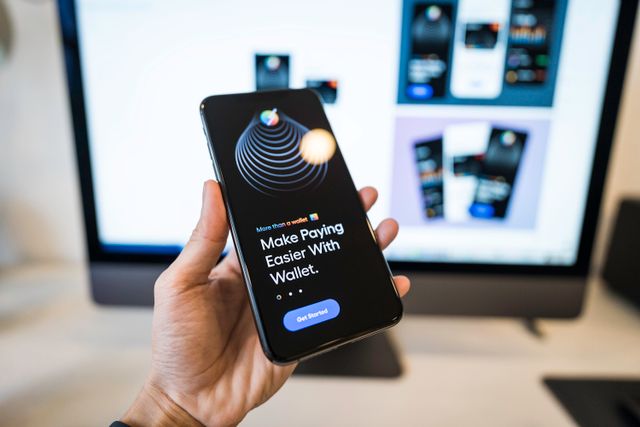
In a recent report, the Boston Fed found that payment fraud risk is increasing as the number of ways to pay expands.
This is attributed to a widening field of digital wallets, peer-to-peer apps, and buy-now-pay-later options, most of them run by fintech companies rather than banks. Banks are required to prioritize security. Newer entrants are not held to the same standard, and their focus tends to sit with the product first.
Why Payment Fraud Risk Is Increasing
This is worth flagging now because two trends are converging: digital payment adoption has crossed the majority threshold among U.S. consumers, and AI tools that convincingly fake a voice, a face, or an identity have become cheap and widely available. Together, they are what turns that gap into something businesses need to track.
On the outbound side, AI-generated voice and video can convincingly impersonate a vendor or executive requesting a rushed payment. On the inbound side, AI helps generate invented identities and test faked payment details automatically at volume, until one clears.
58% of U.S. consumers now use digital wallets, a figure that rises to 78% among Millennials and 80% among Gen Z, according to a Federal Reserve Financial Services survey. Adoption at that scale increases the paths available to both approaches.
What This Means for Your Business
Fraud losses of this kind show up as direct revenue leakage, exacerbating an environment of compressed margins and slow revenue growth. An employee, tricked into rushing a payment, sends cash out with nothing in return. A sale completed with faked payment details often ends in a chargeback after the product or service has already gone out the door. Either path removes real money from the business.
What Strategic Operators Are Doing
Operators managing this risk tend to build in a second check before any urgent payment request is approved, and to lean on their payment processor’s fraud tools rather than accepting transactions at face value. Many are also revisiting who holds authority to move money, implementing additional approval levels where necessary. Others are confirming their insurance actually covers fraud and social engineering losses, since general policies typically exclude it.