
Recent Blog Posts
Crafting Success Through Strategic ThinkingDive into our posts and uncover insights and strategies that move your business forward.

Small Business Financing Trends: When Optimism Meets Profit Pressure
Even as inflation readings ease, business owners remain cautious about taking on new obligations when their ability to service debt is under pressure.

Digital Payment Adoption for Small Businesses: From Cash Decline to Digital Growth
The key takeaway is that digital payment adoption among small businesses is already high, and this trend is only accelerating. Owners who hesitate risk falling behind customer expectations.

How Small Businesses Are Adopting AI: Lessons from Early Adopters and What to Do Next
This discussion suggests a clear shift in how entrepreneurs think about AI. It’s no longer a distant “nice to have.” It’s being used to save time, strengthen customer relationships, and create efficiencies that help smaller firms compete with larger players.

Small Business Labor Shortage: The 5-Year Crisis That Refuses to End
The combination of widespread unfilled positions and persistent applicant quality concerns suggests small businesses face challenges that extend beyond traditional supply and demand dynamics in the labor market.
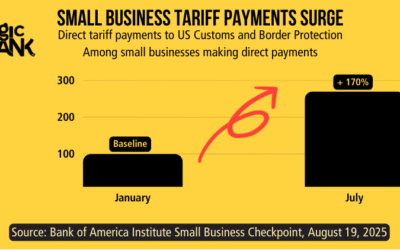
Small Business Tariff Impact 2025: Early Warning Signs Every Owner Must Know
The impact of the small business tariff extends far beyond importing companies. Cost increases cascade through distributors, suppliers, and manufacturers before ultimately reaching businesses with no direct international exposure. This supply chain disruption typically unfolds over 3-6 months, giving forward-thinking leaders time to prepare.
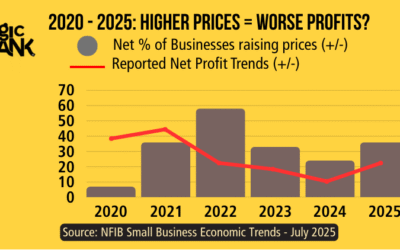
Small Business Pricing Strategy: What 5.5 Years of Data Reveals About Profitability
NFIB data from 2020 through July 2025 reveals a pattern that challenges expectations that pricing increases lead to improved profitability. The Pricing-Profit Disconnect During this period, the net percentage of businesses raising prices and their reported net profit trends...